If you want the Daniel Island lifestyle without the upkeep of a large yard, attached living deserves a close look. For many buyers, a townhome or condo here is not just about square footage. It is about walkability, shared amenities, and easier day-to-day maintenance in one of the Charleston area’s most established master-planned communities. This guide will help you understand what condo and townhome living on Daniel Island really looks like, what costs to expect, and how to shop smart. Let’s dive in.
Why Daniel Island appeals
Daniel Island is a 4,000-acre island town in the City of Charleston, located in Berkeley County between the Cooper and Wando Rivers. It is known for a pedestrian-friendly downtown, extensive parks, and more than 25 miles of trails. That broader setting matters because when you buy an attached home here, you are often buying into an island-wide lifestyle as much as a specific unit.
For buyers who want convenience, that can be a strong match. You may be able to enjoy nearby trails, pools, fitness spaces, and gathering areas without taking on the same level of exterior upkeep that often comes with a detached home. If you are relocating, downsizing, or looking for a lock-and-leave setup, that tradeoff can be especially appealing.
What condos look like
Condo living on Daniel Island can be more varied than many buyers expect. Available examples have ranged from a 759-square-foot one-bedroom unit to a 2,040-square-foot three-bedroom residence. That means condo living here is not limited to compact floor plans or first-time-buyer options.
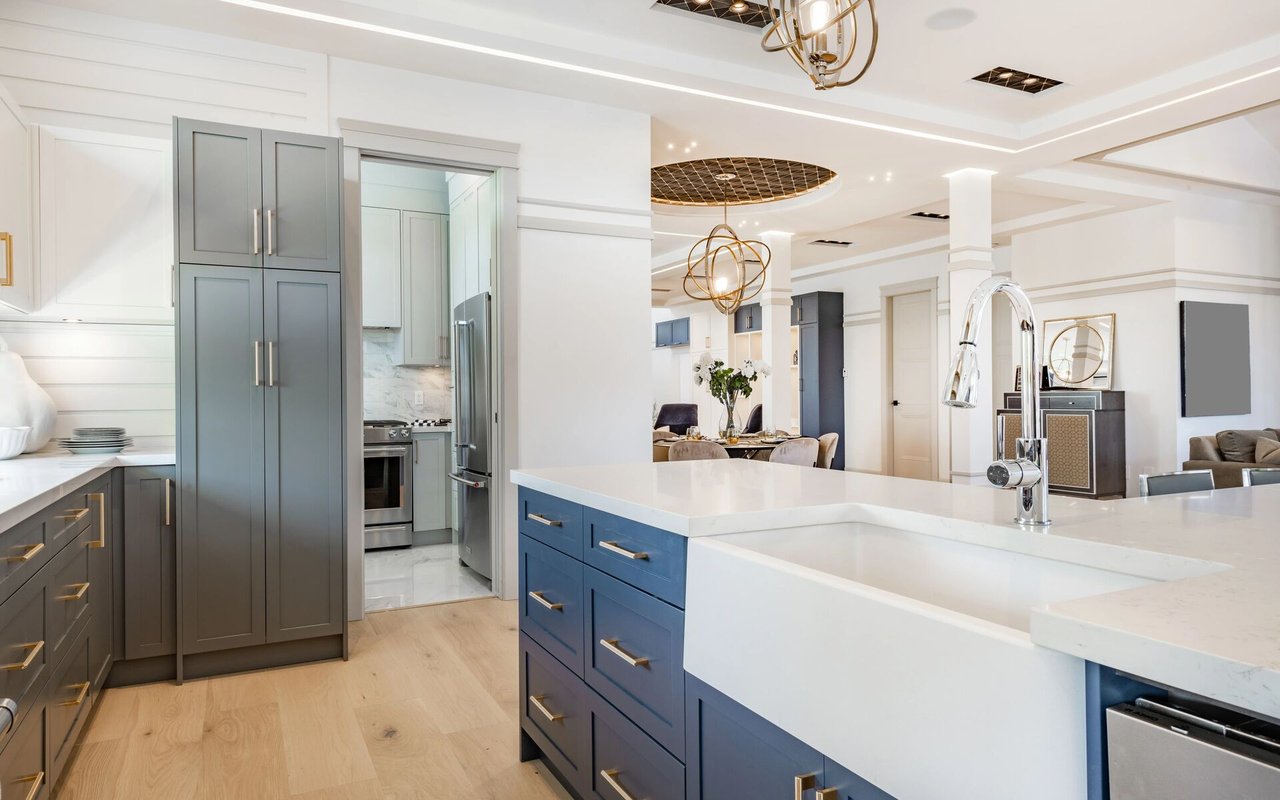
Many condo layouts lean toward open living, dining, and kitchen spaces. Private balconies or screened porches are also common features. In practical terms, that creates a comfortable setup for buyers who want easy everyday living with less exterior maintenance.
Amenities are a big part of the condo story on Daniel Island. Depending on the building or community, features may include pools, fitness rooms, elevators, secure access, private parking, storage support, clubhouses, walking paths, and grilling areas. Some communities also include on-site staff and business-center style spaces.
That shared-amenity model often appeals to buyers who value convenience. Instead of handling every exterior repair or community feature on your own, you are typically contributing through dues toward building and amenity management. For the right buyer, that can make ownership feel simpler and more predictable.
What townhomes look like
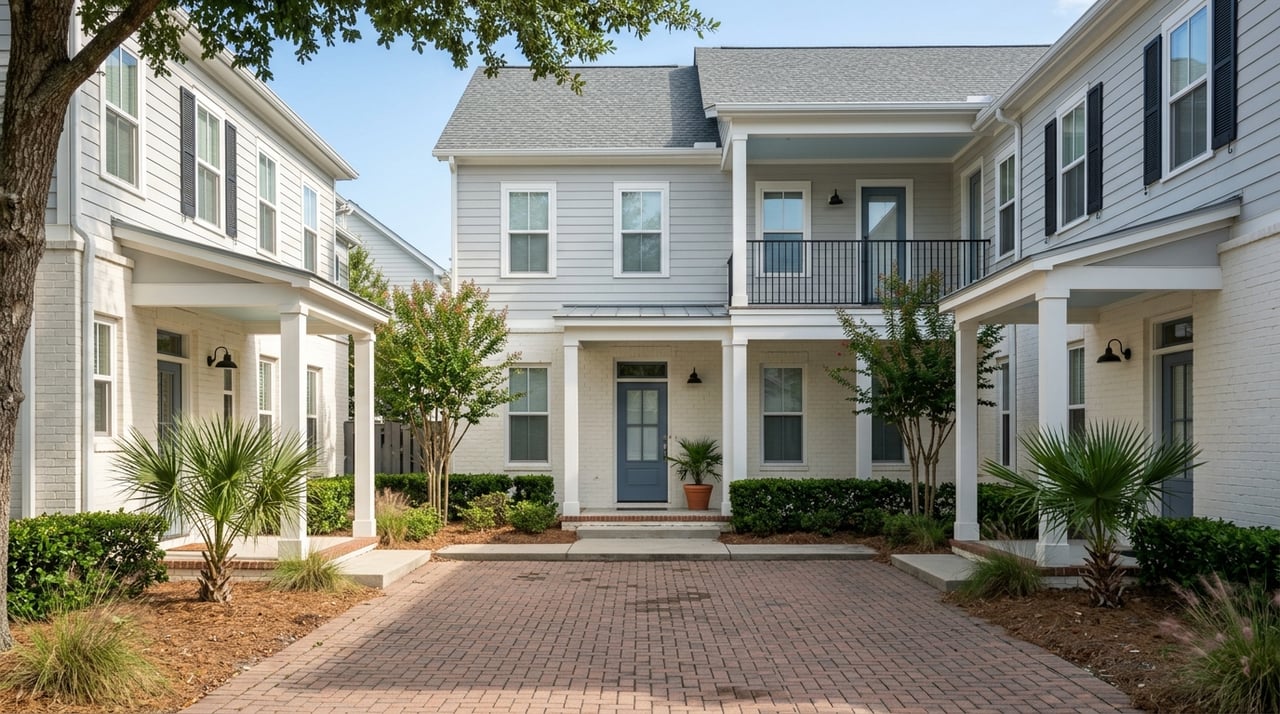
Townhomes on Daniel Island are often larger and more vertical than the word “townhome” suggests. Recent examples include a three-level, 1,680-square-foot home with a private entrance and attached two-car garage, as well as a 3,495-square-foot waterfront townhome with office space, multiple decks, and a two-car garage. In other words, attached living here can still offer substantial room and separation of spaces.
A common townhome layout places main living areas on the second floor, with bedrooms above and garage or flex space below. That design can give you more privacy between living and sleeping areas. It can also work well if you want room for guests, a home office, or extra storage.
On the higher end, Daniel Island’s newer waterfront attached homes show how luxury townhome living can function in this market. Buyers may find larger square footage, riverfront settings, resort-style amenities, and more design-forward finishes. That range is one reason attached living on Daniel Island attracts both practical buyers and lifestyle-driven buyers.
Condo vs. townhome on Daniel Island
Choosing between a condo and a townhome usually comes down to how you want to live, not just how much space you need. Condos often lean harder into low-maintenance living and shared amenities. Townhomes may give you more square footage, more separation between levels, and features like private entrances or attached garages.
Here is a simple comparison:
| Feature | Condos | Townhomes |
|---|---|---|
| Typical layout | Often single-level | Often multi-level |
| Size range | Can be compact to surprisingly large | Often larger overall |
| Exterior maintenance | Usually more shared through the regime | Varies by community and regime |
| Common amenities | Often strong amenity packages | May include amenities plus more private space |
| Entry and parking | May include secure building access and shared parking | Often private entrance and attached garage |
Neither option is better across the board. The better fit depends on whether you value lock-and-leave simplicity, more interior space, garage parking, elevator access, or easier access to pools and fitness areas.
Understand the association structure first
On Daniel Island, one of the most important details is not the kitchen finishes or the porch size. It is the association structure. All property owners belong to one of three associations: DICA, DIPA, or DITA.
That distinction affects assessments, closing fees, amenity access, and exterior rules. DICA includes single-family and townhome properties south of I-526 plus the Parkside Condominiums. DIPA covers residential property north of I-526 except the Oaks. DITA includes the business district and most multifamily residential developments.
This is why buyers should identify the exact association and regime before getting too attached to any listing. Two homes with similar layouts can come with very different dues, maintenance responsibilities, and transfer costs. A disciplined review up front can save you surprises later.
Costs buyers should expect
The clearest recurring cost is the annual property owner assessment. According to the Daniel Island POA’s 2026 closing-fees schedule, DICA annual assessments are $1,029 and DIPA annual assessments are $1,074, both prorated at closing. DITA uses a formula-based annual assessment rather than a flat public figure, so buyers there need direct association payoff and closing information.
You should also plan for one-time resale and closing-related charges. The same schedule lists a community enhancement fee of one-half of one percent of the sale price for most DICA and DIPA resales, an estoppel fee of $350 for DICA and DIPA resale closings, and capitalization fees of $171.50 for DICA and $358 for DIPA. The POA states that the resale community enhancement fee funds the Daniel Island Community Fund, while annual property owner assessment dollars do not.
Those details matter because attached living costs are not just about principal, interest, taxes, and insurance. Your total monthly and upfront picture may also include association dues, regime fees, transfer-related charges, and amenity-related rules. It is important to review the full ownership cost, not just the list price.
Maintenance and rule differences
One of the biggest differences between condos and townhomes is maintenance responsibility. In condo communities, major exterior and common-area items are often handled at the regime level. One Daniel Island condo listing noted recent work such as a new roof, cement siding, impact windows, updated porches, and a refreshed clubhouse, which shows how much exterior work can fall under shared management.
That does not mean you can assume every exterior item is covered in every community. It means you need to review the specific regime documents for the property you are considering. Daniel Island associations also update reserve studies annually, which can help buyers better understand long-term planning for repairs and replacements.
Exterior changes are also more regulated than some buyers expect. The ARB requires approval before certain exterior changes, including additions, shutters, solar panels, fences, walls, color or material changes, docks, bulkheads, and major landscaping work. If you want maximum freedom to change the outside of your home, attached living on Daniel Island may feel more restrictive.
Amenity access matters
Many buyers focus on amenities during the home search, and for good reason. Pools, fitness centers, trails, and shared gathering spaces can add real value to daily life. On Daniel Island, though, amenity access is tied to association rules and account status, not simply occupancy.
For example, DICA owners currently receive two property-specific fobs for access to the three community pools and pickleball courts. The POA also states that overdue accounts can lose amenity access until the balance is paid in full. That is a practical detail worth understanding before you buy.
If amenities are a major part of your decision, ask clear questions early. You will want to confirm exactly what is included, how access works, whether there are guest policies, and whether any separate fees apply within the regime or association structure.
Property taxes can change the math
Taxes are another important part of the monthly carrying cost. Berkeley County states that South Carolina property taxes are local, and the South Carolina Department of Revenue says qualified owner-occupied homes can receive the special 4% legal-residence assessment ratio. For buyers planning to make the property their primary residence, that can have a meaningful impact.
Berkeley County also states that its homestead exemption can remove $50,000 from the value of a legal residence for qualifying seniors, disabled owners, or legally blind owners. If you are downsizing or planning for long-term ownership, those rules may influence which property feels most affordable over time. This is one more reason to evaluate ownership costs carefully before you make an offer.
How to shop strategically
The smartest way to search attached homes on Daniel Island is to look beyond photos and floor plans. Start by confirming the exact association and regime. Then request the documents that explain how the property really works.
Ask for:
- The HOA or regime budget
- The reserve study
- Estoppel information
- Parking and storage rules
- Pet rules
- Rental rules
- Any history of special assessments
This due diligence is especially important if you are relocating or buying from out of area. A polished listing may highlight the best parts of a property, but the documents tell you how ownership will feel after closing. That is where strong buyer representation can make a real difference.
Who attached living suits best
Daniel Island condos and townhomes are often a strong fit if you want walkability, shared amenities, and less exterior upkeep. They can also work well for buyers who travel often, relocate for work, or prefer a simpler maintenance routine. For some downsizers, attached living offers a way to stay active and connected without managing a large property.
This lifestyle may be a weaker fit if you want a large private yard, very limited association oversight, or broad freedom to make exterior changes. The key is to match the ownership structure to your priorities. When you do that well, attached living can be both practical and enjoyable.
If you are comparing condos, townhomes, or higher-end attached options on Daniel Island, a careful, document-driven approach can help you avoid surprises and buy with confidence. For disciplined local guidance, relocation support, and clear advice on Daniel Island homes, connect with Lauren Davis.
FAQs
What is the difference between a Daniel Island condo and townhome?
- A condo often emphasizes single-level, lower-maintenance living with shared building amenities, while a townhome is often multi-level and may include features like a private entrance or attached garage.
What associations cover Daniel Island attached homes?
- Daniel Island properties fall under DICA, DIPA, or DITA, and that association structure affects dues, closing fees, amenity access, and exterior rules.
What annual assessments should Daniel Island buyers expect?
- The Daniel Island POA’s 2026 fee schedule lists DICA annual assessments at $1,029 and DIPA annual assessments at $1,074, while DITA assessments are formula-based and should be confirmed directly.
What documents should you review before buying a Daniel Island condo or townhome?
- You should request the HOA or regime budget, reserve study, estoppel information, parking and storage rules, pet rules, rental rules, and any history of special assessments.
Do Daniel Island attached homes include amenity access?
- Many do, but access depends on the association and community rules, and some amenities are tied to property-specific access tools and account status.
Can owner-occupants get tax benefits on Daniel Island?
- Qualified owner-occupied homes may receive South Carolina’s 4% legal-residence assessment ratio, and qualifying owners may also be eligible for Berkeley County’s homestead exemption.