Wondering why Daniel Island feels so different from many other Charleston-area communities? If you are comparing neighborhoods, relocating to the Lowcountry, or trying to find a place that blends convenience with coastal character, Daniel Island often stands out quickly. Its layout, amenities, and waterfront setting were intentionally designed to create a specific kind of everyday living experience. Let’s dive in.
Daniel Island Was Planned as a Town
One of the biggest reasons Daniel Island feels distinct is that it was designed as more than a typical subdivision. According to the City of Charleston, Daniel Island is a 4,000-acre island in Berkeley County located between the Cooper and Wando Rivers. Its master plan focused on creating an open, publicly accessible community with substantial waterfront access, a town center, and a range of neighborhoods.
That planning shows up in how the island feels when you move through it. Instead of disconnected pockets of homes, the community emphasizes interconnected streets, sidewalks, and bicycle paths. The result is a place that reads more like a small town with structure and intention than a conventional suburban development.
Walkability Shapes Daily Life
For many buyers, the lifestyle difference becomes clear in the day-to-day experience. Daniel Island includes a pedestrian-friendly downtown, and everyday services are part of the community fabric rather than an afterthought. Downtown offerings include a supermarket, banks, medical offices, and restaurants.
That matters because convenience is not limited to a quick drive. Depending on where you live on the island, errands, dining, and recreation may feel more integrated into your routine. For buyers who value a polished, connected setting, this is often a major part of the appeal.
Parks and Trails Are Everywhere
Daniel Island’s outdoor infrastructure is another major reason it stands apart. The property owners association notes that the community includes hundreds of acres of parks and green spaces along with a trail system of more than 25 miles. Those trails run through marsh edges, maritime forest, neighborhoods, and downtown areas.
The City of Charleston parks directory also identifies several public recreation spaces on the island, including Daniel Island Recreation Center, Daniel Island Waterfront Park and Trails, Etiwan Park, Freedom Park, and Governor’s Park. That range of spaces gives residents multiple ways to enjoy the outdoors without needing to leave the island.
For buyers moving from more car-dependent areas, this built-in access to green space can be a meaningful lifestyle shift. It supports walking, biking, casual recreation, and scenic routes as part of everyday living. On Daniel Island, outdoor time is not something you have to plan far in advance.
Waterfront Access Is Part of the Experience
On Daniel Island, the water is not just scenery. The community’s master plan requires substantial waterfront access, which helps explain why the island feels tied so closely to its coastal setting. That planning choice shapes both the look of the community and how people use it.
Daniel Island Waterfront currently offers public day docking, moorings, passenger pickup and drop-off, a marina, and boat rentals and charters. The trail network also includes routes along the Wando River and nearby marsh areas. Together, those features create a stronger sense of connection to the Lowcountry landscape.
If you want a community where waterfront living feels visible and accessible, Daniel Island offers that in a practical way. You do not need to own a deepwater property to feel close to the water here. Public access is part of the identity of the island.
Private Club Amenities Add Another Layer
Another part of Daniel Island’s identity is its private amenity structure. Daniel Island Club describes a year-round club experience that includes 36 holes of golf, six pickleball courts, two resort-style swimming pools, fitness amenities, tennis amenities, and multiple dining facilities.
For some buyers, that private club layer is a major draw. It adds a resort-style dimension to daily life and complements the island’s public parks, trails, and waterfront access. For others, it simply signals the level of lifestyle planning that has gone into the community as a whole.
This combination of public and private amenities is part of what makes Daniel Island feel more complete than many neighborhoods. You have access to civic spaces, recreational infrastructure, and optional club-based amenities all within the same broader environment.
Housing Options Support Different Life Stages
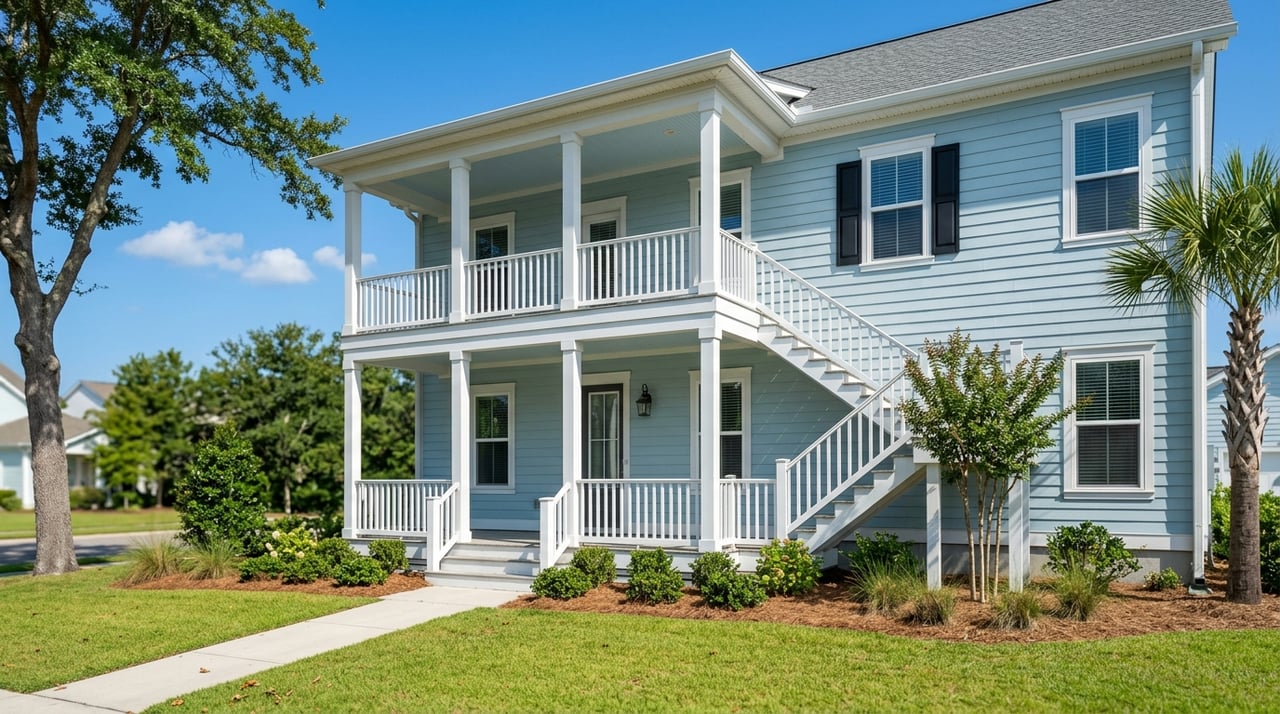
Daniel Island was also planned with a mix of housing types in mind. The master plan includes large lots, smaller lots, townhomes, attached housing, and apartments. Official community materials also reference homes, townhomes, condominiums, and apartments across the island.
That variety matters if your needs are changing. You may be looking for a detached home with more space, a lower-maintenance townhome, or a condominium that supports a simpler lock-and-leave lifestyle. Daniel Island’s housing mix gives buyers more than one path into the community.
This is one reason the island appeals to a broad set of buyers. It can work for first-time local movers, relocation buyers, downsizers, and buyers who want a more polished master-planned environment. The key distinction is not one single home style, but the range of living options within a cohesive setting.
Location Adds Everyday Practical Value
Lifestyle matters, but so does logistics. Daniel Island’s location gives residents relatively easy access to key parts of the Charleston area. Community fact sheets and city information place the island about 15 miles from Charleston’s historic district, about 8 miles from the airport, and directly accessible via I-526 Exit 24.
That balance of separation and connectivity is important. Daniel Island feels like its own place, yet it remains tied into the larger region for commuting, travel, and access to downtown Charleston. For many relocation buyers, that combination is a big reason the island makes the shortlist.
If you are moving from out of state or buying on a tight timeline, practical access points often matter just as much as beauty. Daniel Island offers a coastal setting without feeling cut off from the rest of the metro area.
Public School Options Are Part of the Picture
For buyers researching practical day-to-day considerations, public school options are often part of the conversation. Berkeley County School District says Daniel Island School is a K-8 school serving more than 1,400 students. Philip Simmons High School is another Berkeley County public option in the area.
As with any move, school assignment and enrollment details should be verified directly with the district. Still, the presence of established public school options is one more reason Daniel Island can fit a range of household needs. It adds to the sense that the community was built to support full-time residential living, not just a lifestyle image.
What Buyers Often Notice First
When buyers tour Daniel Island, they often notice the same themes right away. The community feels orderly, connected, and highly intentional. Streets, trails, parks, downtown services, and waterfront features all work together in a way that feels coordinated.
That does not mean Daniel Island is the right fit for everyone. Based on the master plan framework, buyers who want a polished, amenity-rich, walkable coastal community often respond well to it. Buyers who prefer a less managed or more organic neighborhood pattern may feel drawn elsewhere.
Why Daniel Island Living Feels Distinct
At its core, Daniel Island stands out because several desirable features are working together at once. It offers waterfront access, trail connectivity, practical services, varied housing types, and a clear town-like structure. Many communities may offer one or two of those elements, but Daniel Island brings them together in a more deliberate way.
That is what makes the lifestyle feel distinct. It is not only about attractive homes or a convenient address. It is about living in a place where planning, outdoor access, and daily convenience were built into the community from the start.
If you are considering Daniel Island, it helps to evaluate not just the homes available but also how you want your daily routine to feel. If walkability, structure, amenities, and a strong sense of place matter to you, this island community may be worth a closer look. When you are ready to explore Daniel Island or compare it with other Charleston-area options, Lauren Davis can help you navigate the process with clear, disciplined guidance.
FAQs
What makes Daniel Island different from other Charleston-area communities?
- Daniel Island was master-planned as a town-like community with interconnected streets, sidewalks, bike paths, public waterfront access, a downtown area, parks, trails, and a range of housing types.
Is Daniel Island walkable for daily errands and recreation?
- Yes. The community includes a pedestrian-friendly downtown with services such as a supermarket, banks, medical offices, and restaurants, along with parks and more than 25 miles of trails.
Does Daniel Island have public waterfront access?
- Yes. Daniel Island Waterfront offers public day docking, moorings, passenger pickup and drop-off, a marina, and boat rentals and charters.
What types of homes are available on Daniel Island?
- The community includes single-family homes, townhomes, condominiums, apartments, and other attached housing options designed to support a mix of buyer needs.
How close is Daniel Island to downtown Charleston and the airport?
- City and community information place Daniel Island about 15 miles from Charleston’s historic district, about 8 miles from the airport, and directly accessible from I-526 Exit 24.
Are there public schools serving Daniel Island?
- Yes. Berkeley County School District lists Daniel Island School as a K-8 school on the island, and Philip Simmons High School as another public option in the area.